mesa verde —> wwoof #1
march 17-20

We made it to our first farm! After 14 nights of camping (10 days more than our original plan, since our first farm had to cancel) in 7 different campsites, 1 night in a hotel, 4-5 showers, 6 states, a bunch of state/national parks and hikes, and 2,600 miles driven, it was a relief to land somewhere with a bed, shower, and kitchen where we’ll be for a solid week.
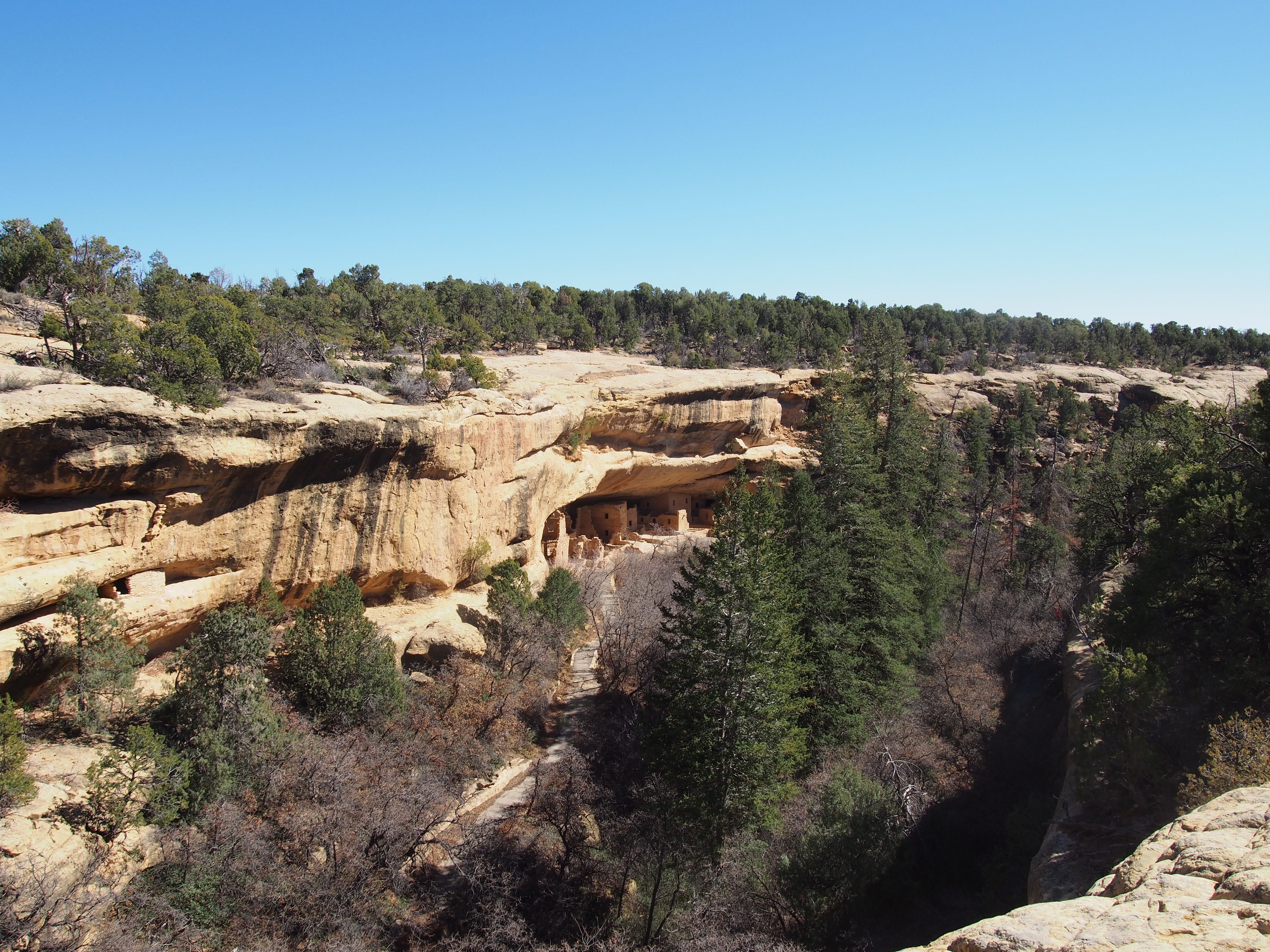
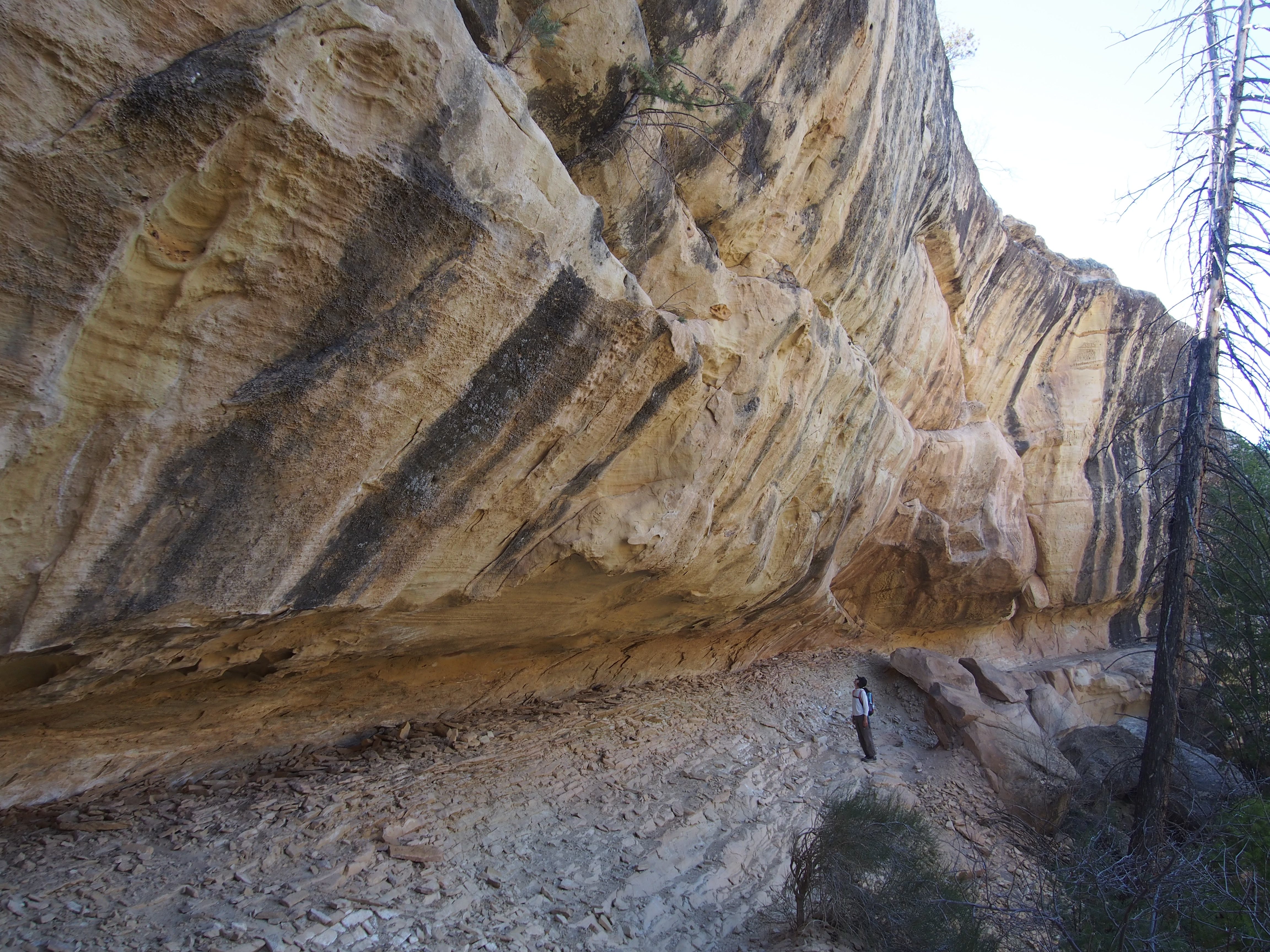
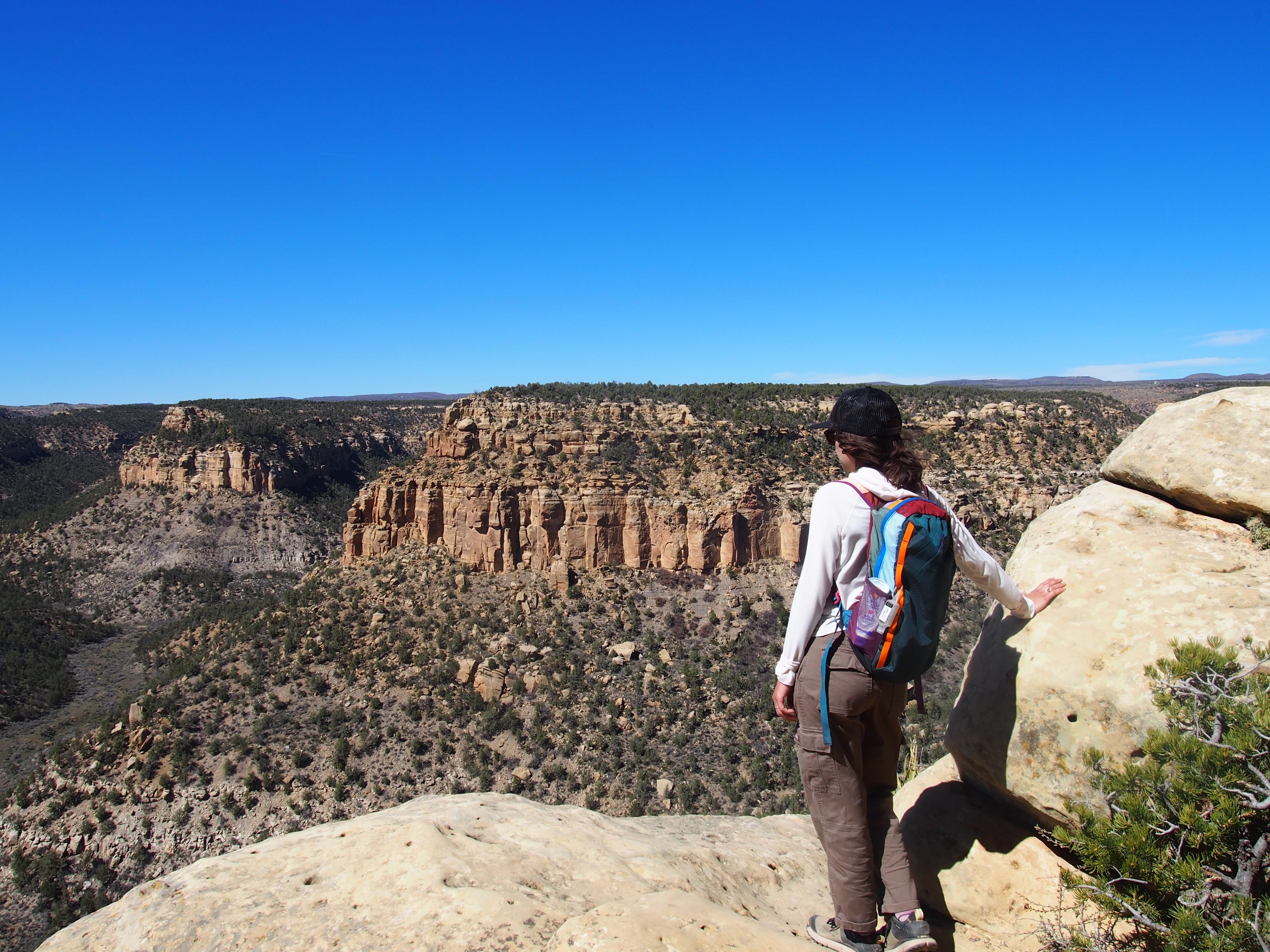
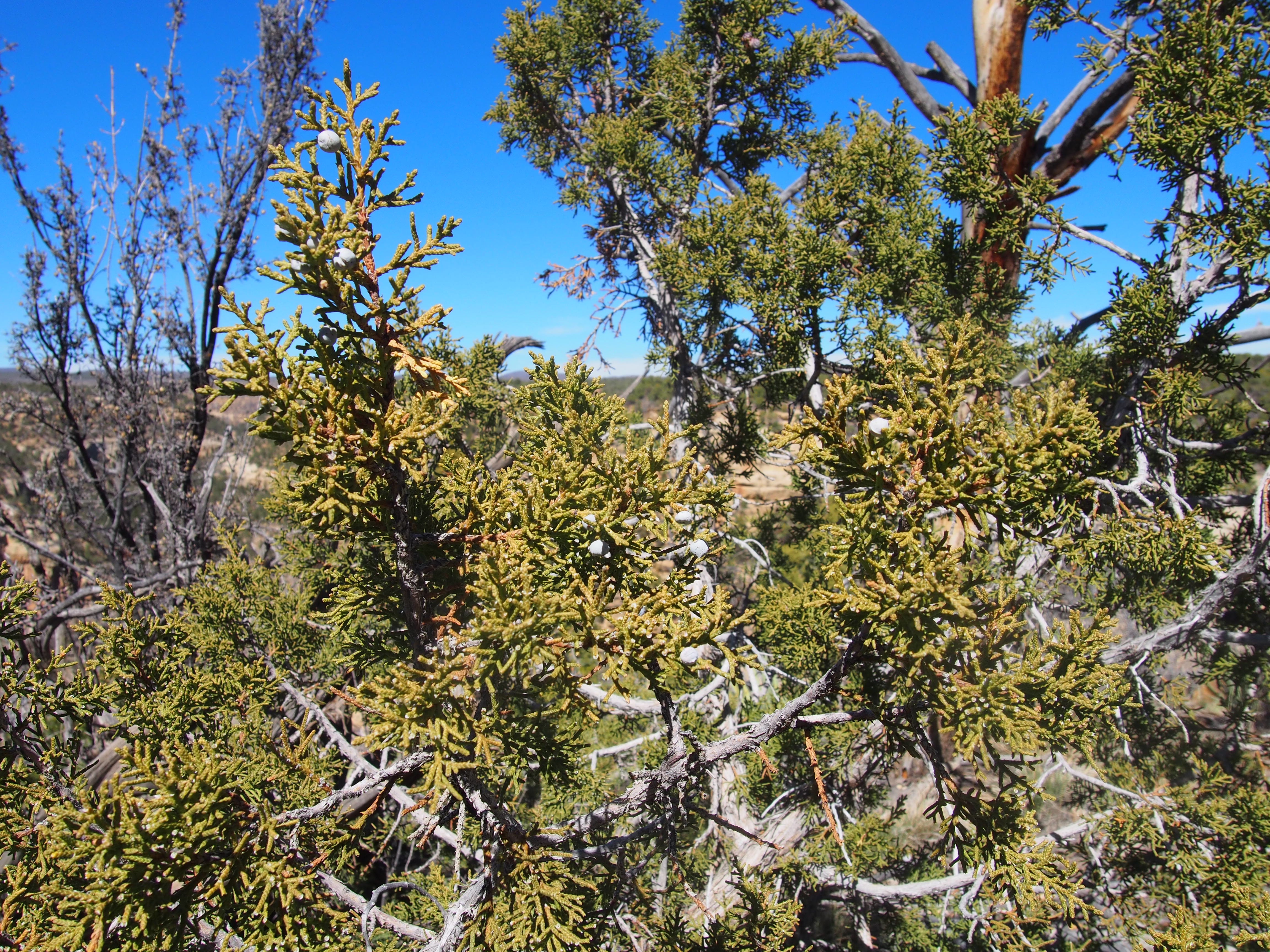
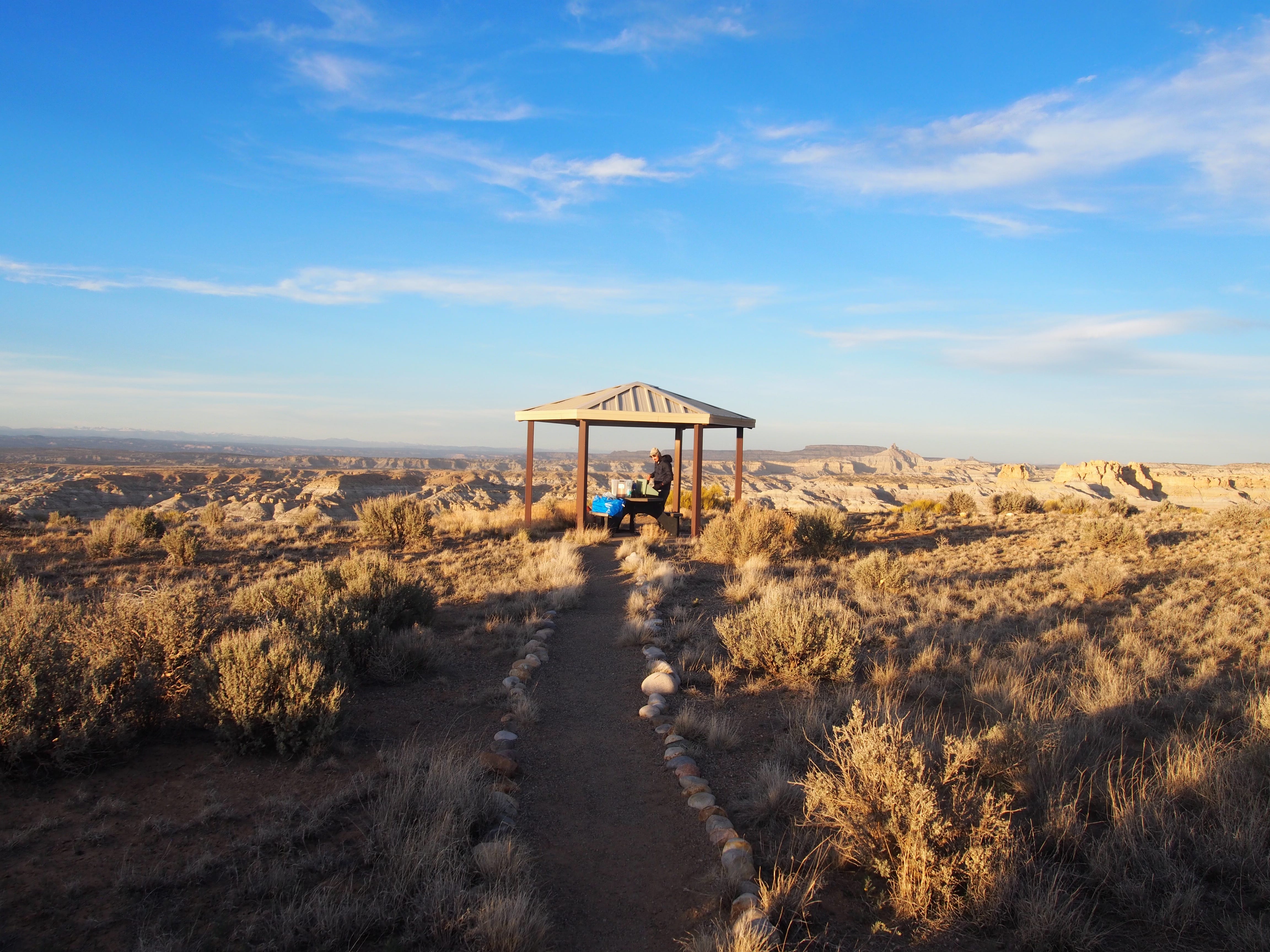
On the way here (Placitas, NM) we popped in to Colorado to see the Mesa Verde cliff dwellings and petroglyphs. We did the petroglyph point hike, pictured below - a loop through desert shrubs and along a big rock wall with great views of (more) canyons. The end of the loop took us through old-growth pinyon pine and juniper forest - which reminds me to tell you all about how cool juniper trees are.
Juniper trees have significant cultural value for indigenous communities around the grand canyon and across north america - they are used for food, medicine, ceremony, and more. Here’s a video of a guy explaining their many uses.
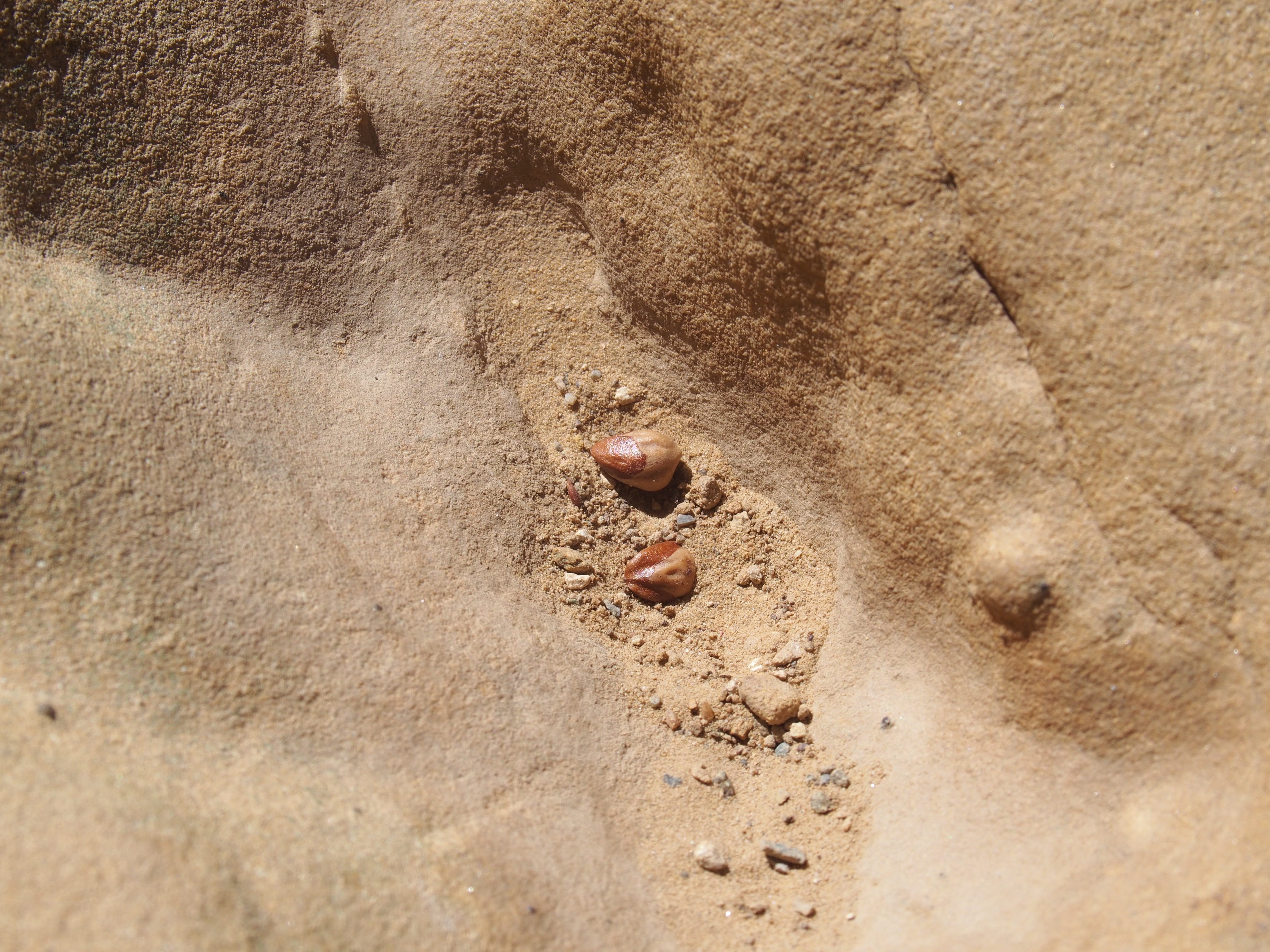
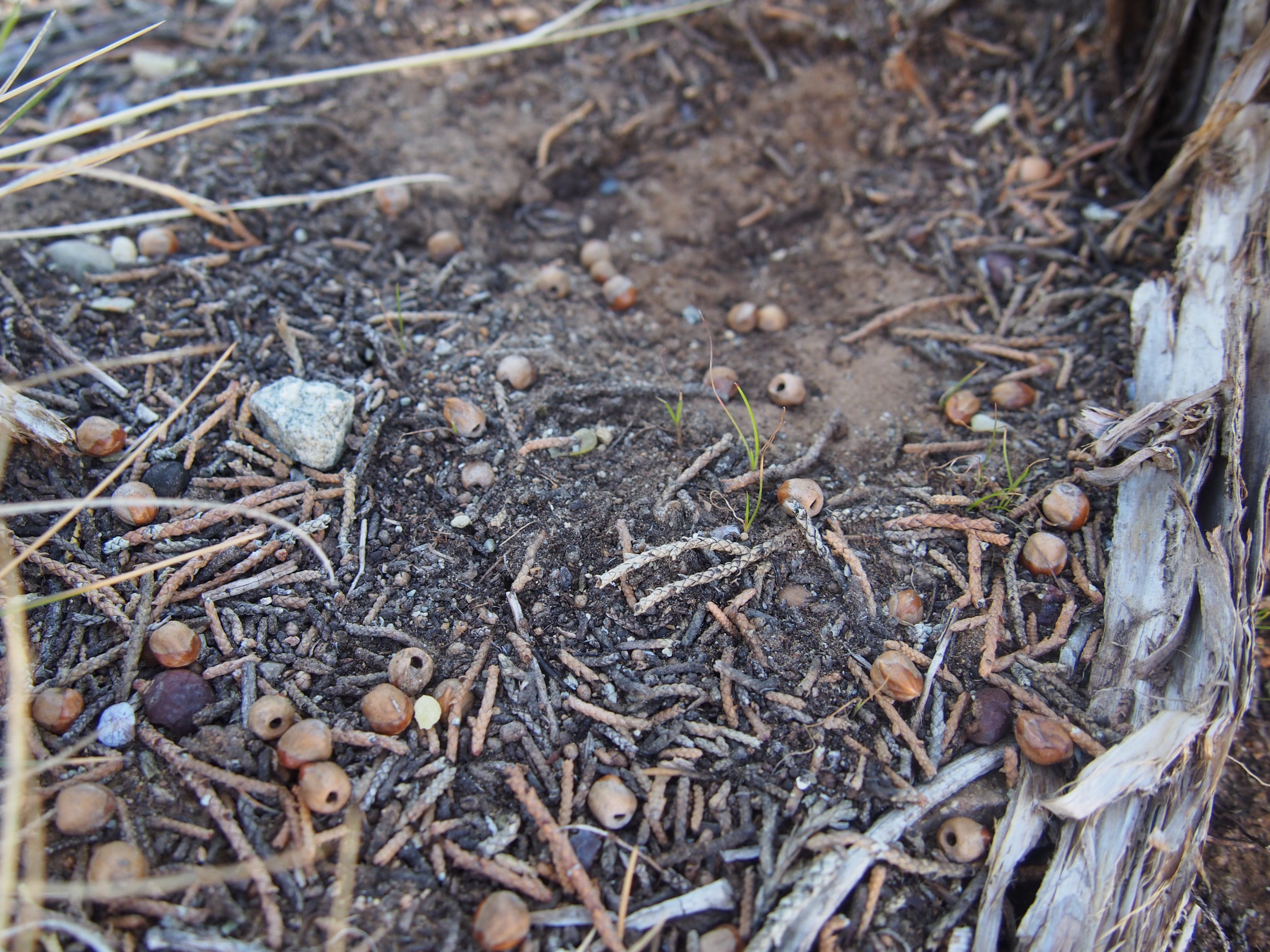
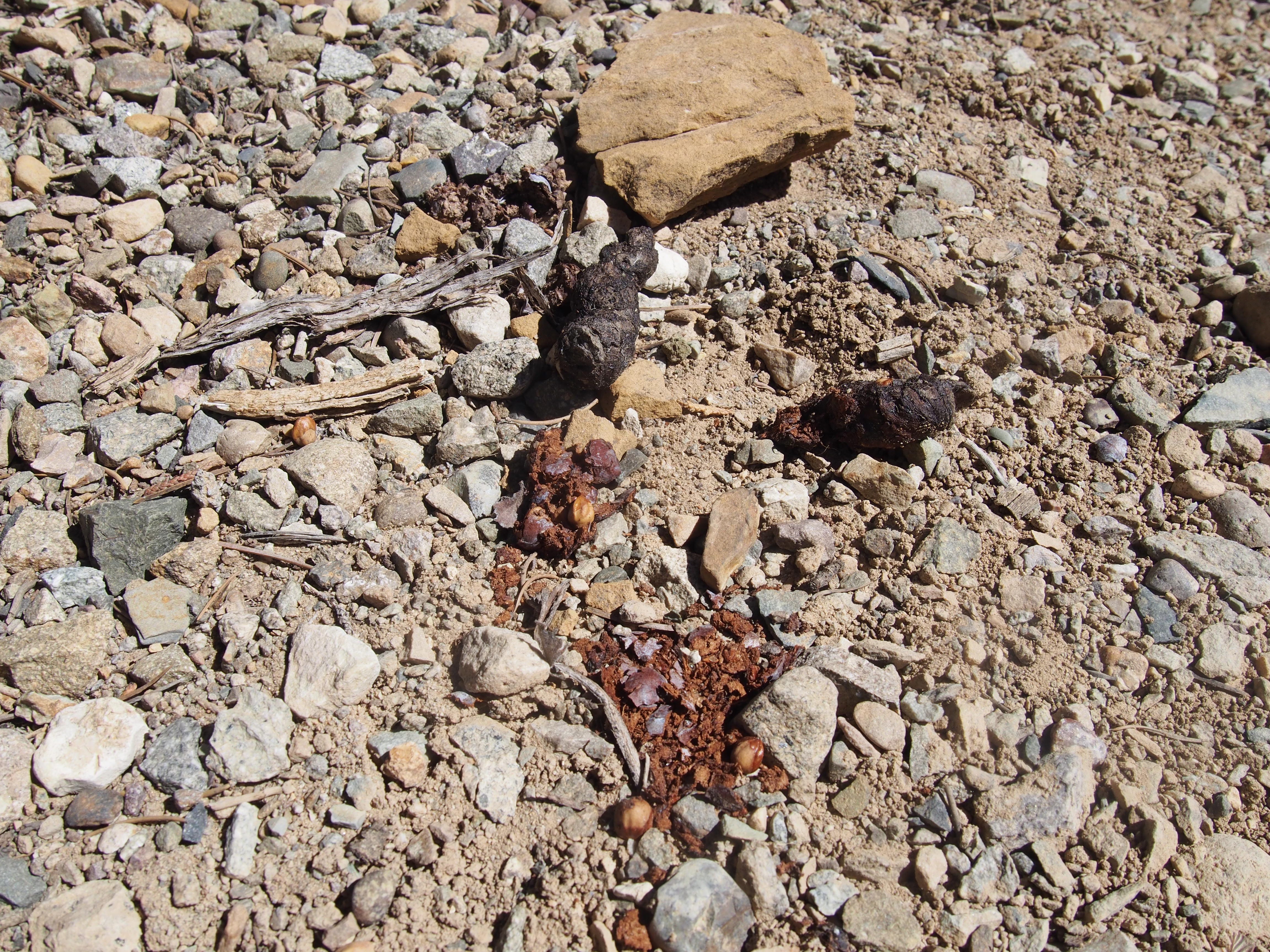
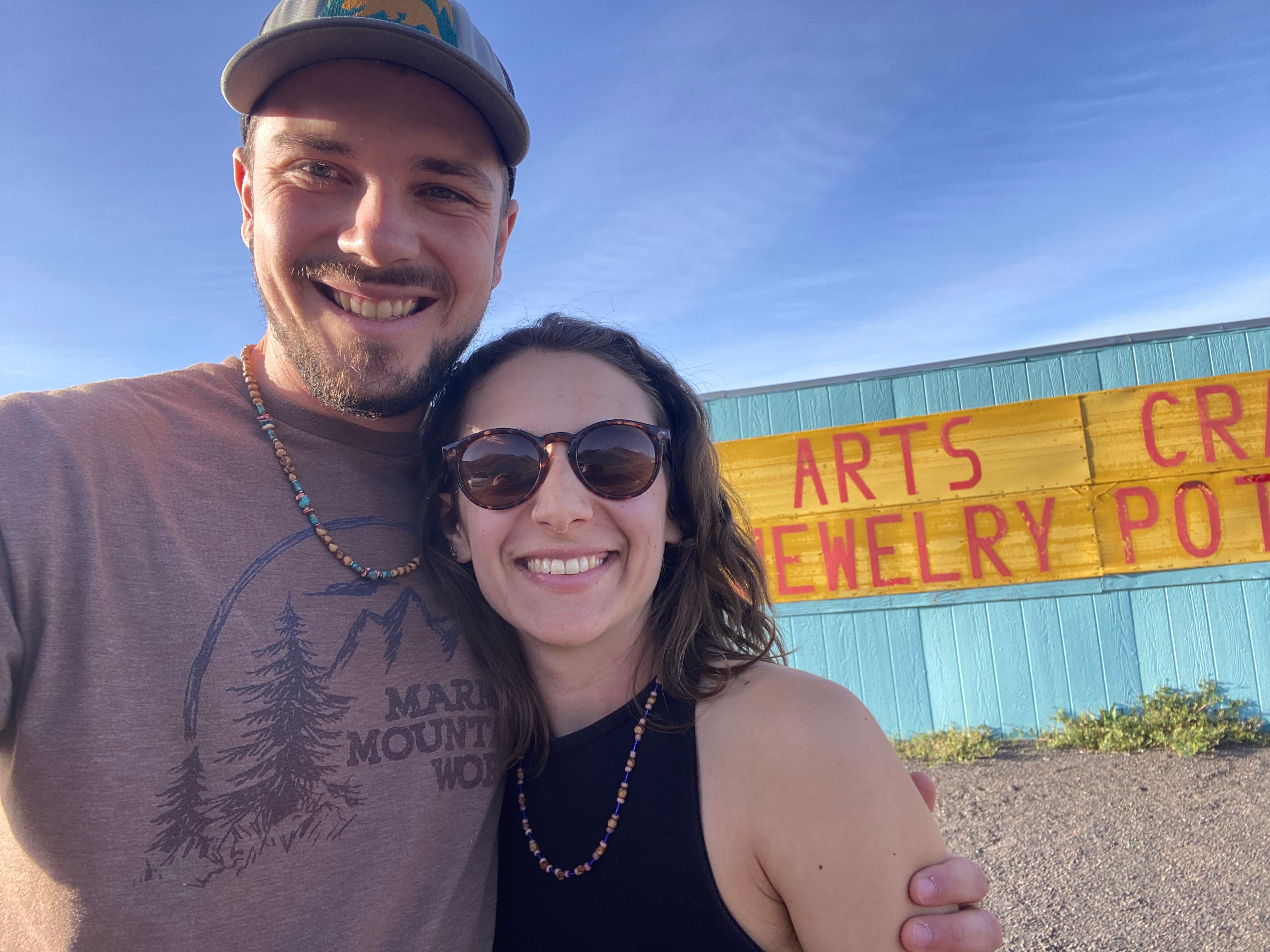
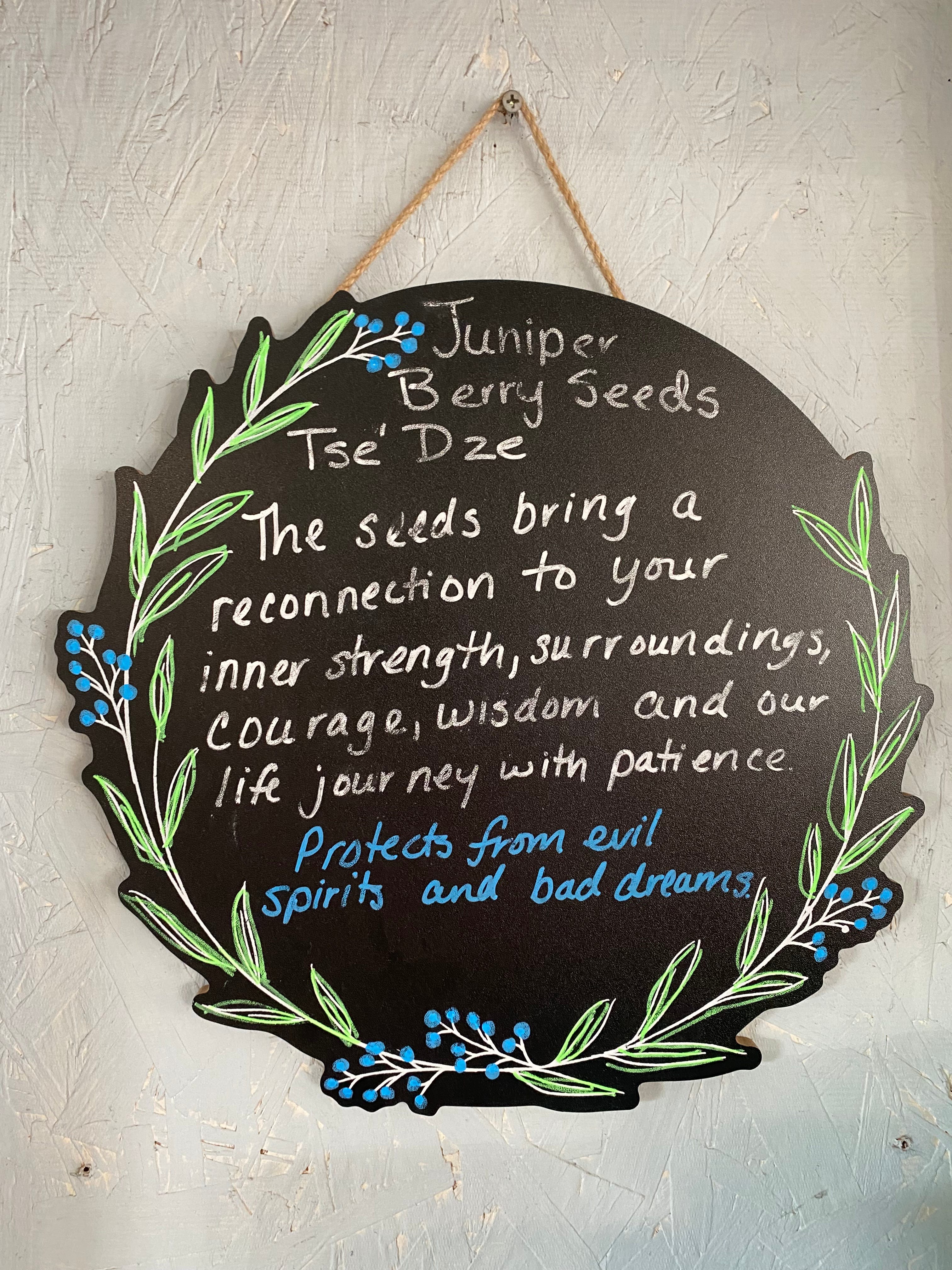
The one-seeded juniper specifically was an essential survival plant, because the seed inside of the berry is very high in protein. On our way out of the grand canyon, we pulled over to check out some native american made jewelry. P and I each bought necklaces, partially made with juniper berry seeds. The woman who sold them to us explained that after the berries fall to the ground, the chipmunks eat the flesh and then poke a hole in the seed itself to eat the high protein meat inside. After this happens, the necklace maker will collect the seeds, give them a good soak and scrub, poke a hole in the other side of each seed, then string them onto the necklace. She exclaimed, the chipmunks do most of the work! So of course, we were very excited on our hike when we started to see juniper seeds scattered across the ground. Even more so when we saw the seeds post-chipmunk consumption, with the holes in them and everything!
Anyways, I never thought junipers were particularly cool - I just knew their berries were used to make gin and they were a common landscape plant. Learning more about them has been super fun, and I have a new sense of appreciation for these versatile and culturally important trees!
We’ve been here at Dotty Tree Farm since Wednesday, staying in a 100+ year old adobe house that is actively being renovated. It’s very cute, insulating, and..dusty. We’ve been helping Bob, one of the contractors, with some of the construction work. We’ve also been helping to clear out and re-dig the acequia (basically a gravity-fed irrigation ditch), and we’ve planted a couple trees and done some watering. The owner, Snow, purchases a variety of pine and fir saplings from the new mexico forest service in bulk (~40 cents each) and plants them here. She has received and is working on grants for soil health and remediation, as well as one for setting up a community bike repair shop (which is completed, with the grand opening coming up soon). She has a small orchard of fruit trees, and leases part of the land to a young farming couple who are currently growing garlic and tomatoes.
Anyways, we will keep you updated on how the rest of our week here goes!
With love,
Thomas & Paloma
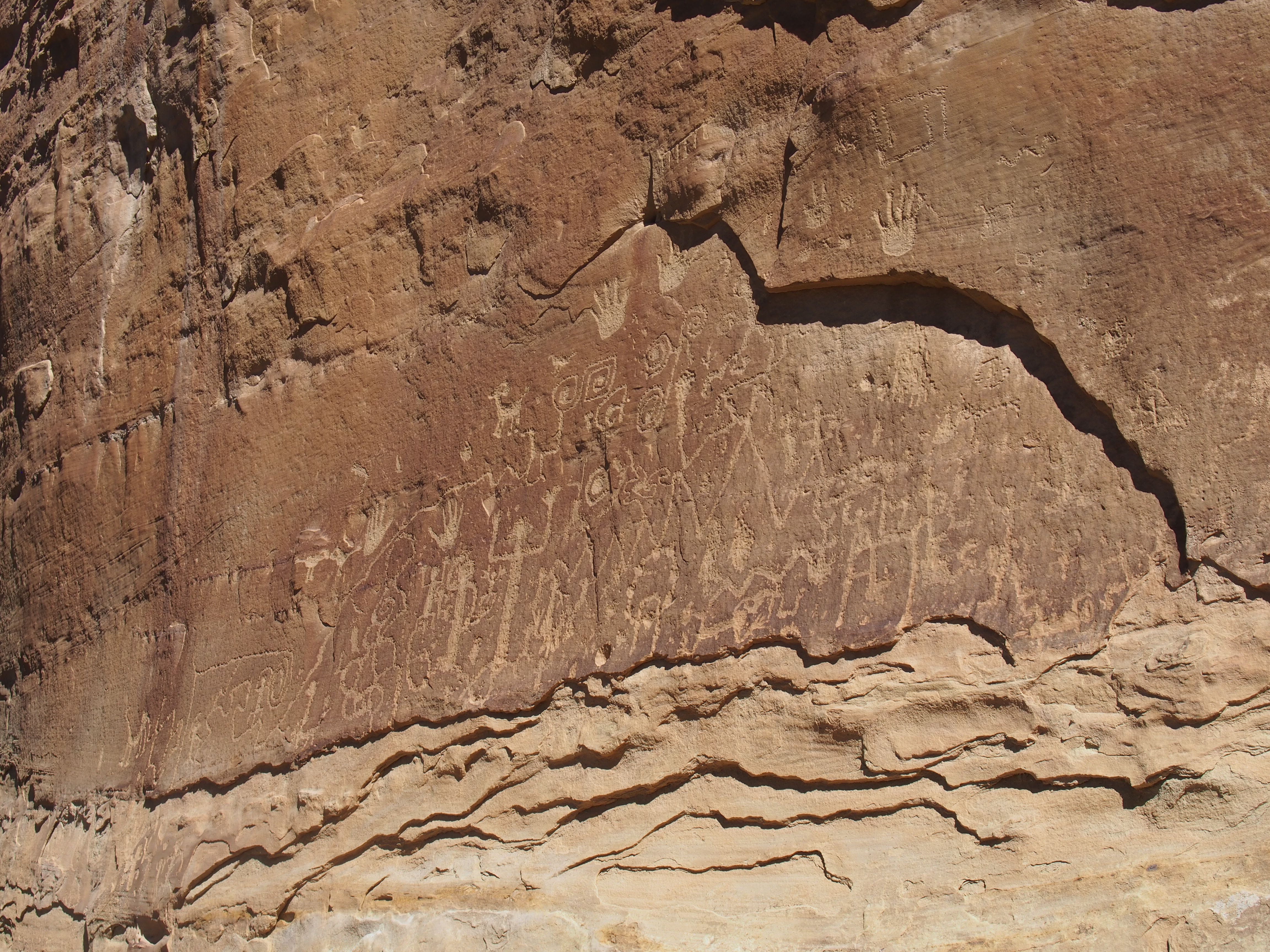
The petroglyphs are incredible!